

Ethnobotany – Plants in shelter and Material Culture
Bamboo (Bambusa spp., Gigantochloa spp.)
It is estimated that there are about 69 species of bamboo in Malaysia but only 13 species have been commercially utilized including well-known ones such as Bambusa blumeana (buluh duri), B. vuilgaris (buluh aur/minyak), B. heterostachya (buluh galah), Gigantochloa scortechinii (buluh semantan), G. thoii (buluh beting), G. ligulata (buluh tumpat), G. wrayi (buluh beti), and Schizostachyum brachcyladum (buluh leman) [1]. Bamboo offers a sustainable alternative to the paper and timber industries. Bamboo offers a sustainable alternative to the paper and timber industries. Unlike traditional hardwood, it grows quickly, taking only three to five years to reach full maturity [1].
Commonly used species such as B.blumeana and B.vulgaris are used in building, handicrafts, cooking utensils, and ornamentation [2]. Bamboo culms serve as structural components in Malaysian traditional architecture. They are used for walls, paneling, and even roofing, while split culms, mats, and boards are used for flooring surfaces. Beyond construction, bamboo also supports daily life as materials for tools, utensils, musical instruments, and various woven crafts [3]. Bamboo is among the oldest building resources having been used to construct water channels, bridges, and rural dwellings across Asia and Latin American countries [4].
Commercially utilized bamboo in Malaysia [5].
| Species | Local names | Uses |
| Bambusa blumeana | Buluh duri | Toothpicks, furniture, musical instruments, shoots as food |
| Bambusa heterostachya | Buluh galah | Toothpicks, chopsticks, blinds |
| Bambusa vulgaris | Buluh minyak | Paper, furniture |
| Dendrocalamus asper | Buluh belong | Fences, bridges, baskets, shoots as food |
| Gigantochloa scortechinii | Buluh semantan | Satay sticks, toothpicks, blinds |
| Schizostachyum brachycladum | Buluh nipis | Chopsticks, handicrafts |
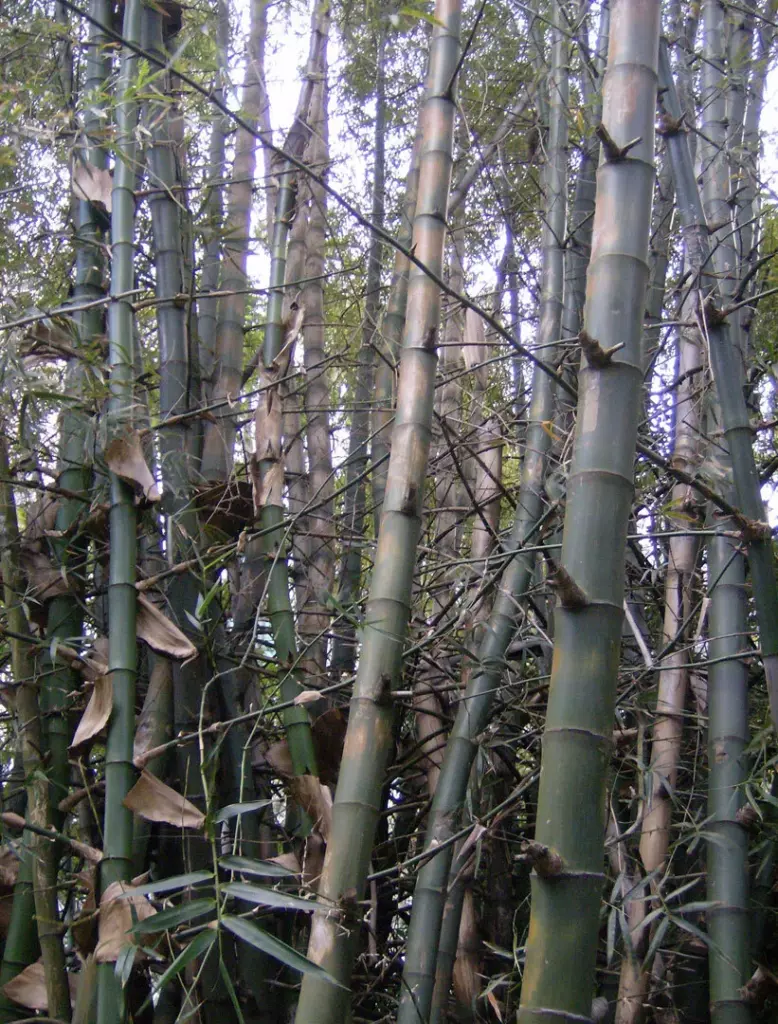
Figure 1: Bambusa blumeana. Source: https://www.guaduabamboo.com/blog/bambusa-blumeana
Rattan (Calamus spp.)
Rattan is one of Malaysia’s most important non-timber forest products. Around 20 commercially valuable species are harvested for furniture, mats, baskets, and household crafts [5]. Historically, bamboo and rattan together contributed over 80% of royalties from non-wood forest products, providing employment for thousands of people in rural areas [5]. In Sabah, surveys show that over 30% of villagers derive part of their household income from rattan and bamboo, while most households use them for daily needs. Ethnographic studies also highlight rattan’s cultural significance in weaving traditions of Borneo, where it is used to make ceremonial sun hats, traps, and ritual objects [6].
Major commercial rattan species in Malaysia [5].
| Species | Local name | Uses |
| Calamus manan | Rotan manau | Furniture |
| Calamus caesius | Rotan sega | Binding and weaving basketware |
| Calamus scipionum | Rotan semambu | Walking sticks, umbrella handles |
| Calamus ornatus | Rotan dok | Furniture |
| Korthalsia spp. | Rotan dahan | Furniture, broom handles |
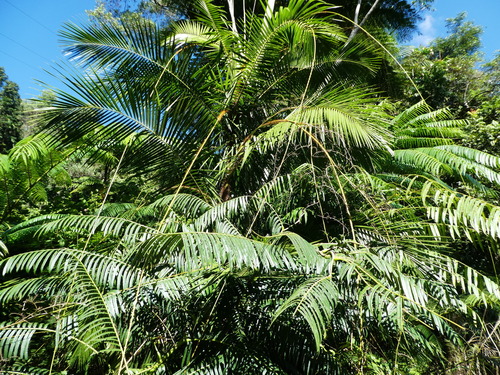
Figure 2: Calamus manan. Source: iNaturalist.
Nipa Palm (Nypa fruticans)
Nipa (Nypa fruticans Wurmb.) is one of the most widespread and versatile palms in Southeast Asia’s mangrove ecosystems. Nipa is utilized for various traditional purposes in this region and is known by different vernacular names such as “chak” and “at-ta” in Thailand, “dua la” and “dua muoc” in Vietnam, “dani” in Myanmar and “atap palm” in Singapore [7]. The Malaysians recognized two varieties, called ‘nipah gala’ and ‘nipah padi’, distinguished by the position of the leaflets [7].
Mature leaves have been used for roof thatching, wall-partitioning of dwellings, roof of boat, umbrella, sun-hat, rain coat, basket, mat, bags [7]. Among the many roofing options available, palm leaves are valued for their lightweight structure and suitability for thatched roofs, especially in traditional dwellings [8]. The nipa palm thrives in mangrove and estuarine habitats, and its leaves are widely used for thatched roofs in Traditional Malay and coastal settlements [9]. Beyond material uses, the nipa palm contributes to local livelihoods. Its sap is processes into sweet drinks, vinegar (cuka nipah), or distilled liquor (arak nipah), and its fruits and shoots are common in local diets, reflecting its multipurpose role [9].
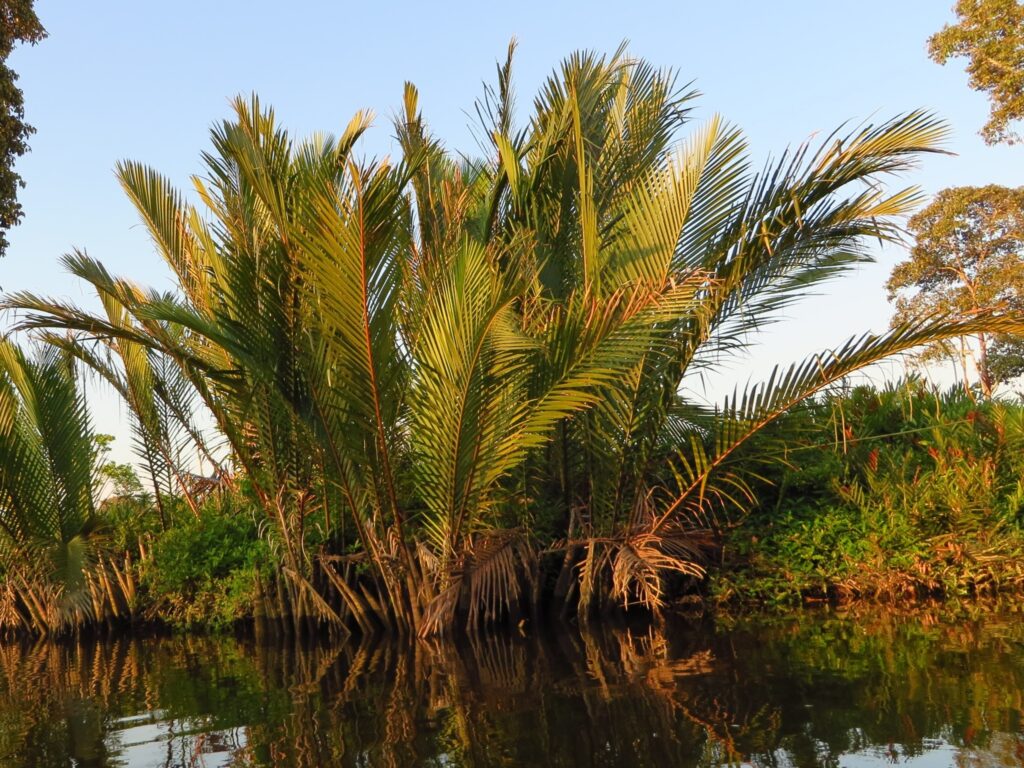
Figure 3: Nypa fruticans. Source: iNaturalist.
Other Ethnobotanical Materials
In addition to bamboo, rattan, and nipa, other plants are deeply integrated into Malaysian material culture:
- Terap (Artocarpus odoratissimus): Bark is beaten into bark cloth, a traditional fabric in Borneo [10].
- Belian (Eusideroxylon zwageri): An exceptionally durable hardwood, historically used for baby carriers, building structures, and ritual tools among Dayak communities [10].
- Bemban (Donax canniformis): Leaves are woven into mats, baskets, and fish traps; they also play a role in musical instrument making [10].
- Pitcher Plants (Nepenthes spp.): The large pitchers are used as natural cooking vessels or containers for food, reflecting ecological ingenuity [10].
References:
- Hawanis HS, Ilyas RA. Bamboo species and utilization in Malaysia: A mini review. InComposite sciences and technology international conference 2022 (pp. 22-23).
- Forestry Department of Malaysia. Bamboo and rattan resources [Internet]. Forestry.gov.my; [cited 2025 Aug 21].
- Chaowana, K., Wisadsatorn, S., & Chaowana, P. (2021). Bamboo as a Sustainable Building Material—Culm Characteristics and Properties. Sustainability, 13(13), 7376.
- Correal FF. Bamboo design and construction. InNonconventional and vernacular construction materials 2020 Jan 1 (pp. 521-559). Woodhead Publishing.
- FAO. Non-wood forest products: bamboo and rattan in Malaysia. FAO Forestry Paper. 1987 [cited 2025 Aug 21].
- Wan Abdul Rahim WR, Idrus RM. Importance and uses of bamboo and rattan: socioeconomic value to local communities. Int J Acad Res Bus Soc Sci. 2019;9(7):758–69.
- Tsuji K, Ghazalli MN, Ariffin ZU, Nordin MS, Khaidizar MI, Dulloo ME, Sebastian LS. Biological and ethnobotanical characteristics of Nipa Palm (Nypa fructicans wurmb.): A review. Sains Malaysiana. 2011 Dec 1;40(12):1407-12.
- Umar MZ, Faslih A, Arsyad M, Ikhsan AA, Umar M. The use of nipah leaves (Nypa fruticans) as an environmentally friendly roofing material. InAIP Conference Proceedings 2017 Sep 29 (Vol. 1887, No. 1, p. 020001). AIP Publishing LLC.
- Wikipedia. Nypa fruticans [Internet]. 2025 [cited 2025 Aug 21].
- NParks Singapore. Exploring the ethnobotany garden [Internet]. NParks.gov.sg; 2018 [cited 2025 Aug 21].